



Intimate Partner Violence (IPV) is a grave social issue affecting all sectors of Israeli society. One in ten Israelis experiences violence from a partner each year, and the scope of the problem has not declined. While women are often the primary victims and face the most severe harm, the repercussions extend to children, families, workplaces, and communities. During times of war and national crisis, both the prevalence and severity of violence increase. IPV is a complex phenomenon shaped by individual behavior, social norms, blurred relational boundaries, and persistent gender inequality.
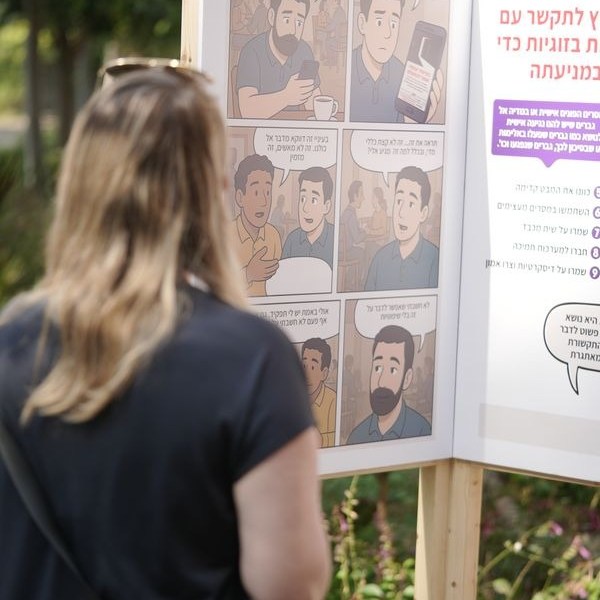
Despite decades of investment in treatment and enforcement, rates of IPV in Israel remain high. Efforts have largely focused on responding after harm occurs, while coordinated prevention has remained limited. Drawing the Lines Initiative was established to significantly reduce the prevalence of IPV by shifting the national focus toward prevention. The initiative seeks to raise public awareness of the phenomenon and its consequences, and to foster a culture in which individuals see themselves as active participants in prevention rather than bystanders. At the same time, it works to strengthen a broader social framework that helps prevent violence and support those seeking to leave abusive relationships.
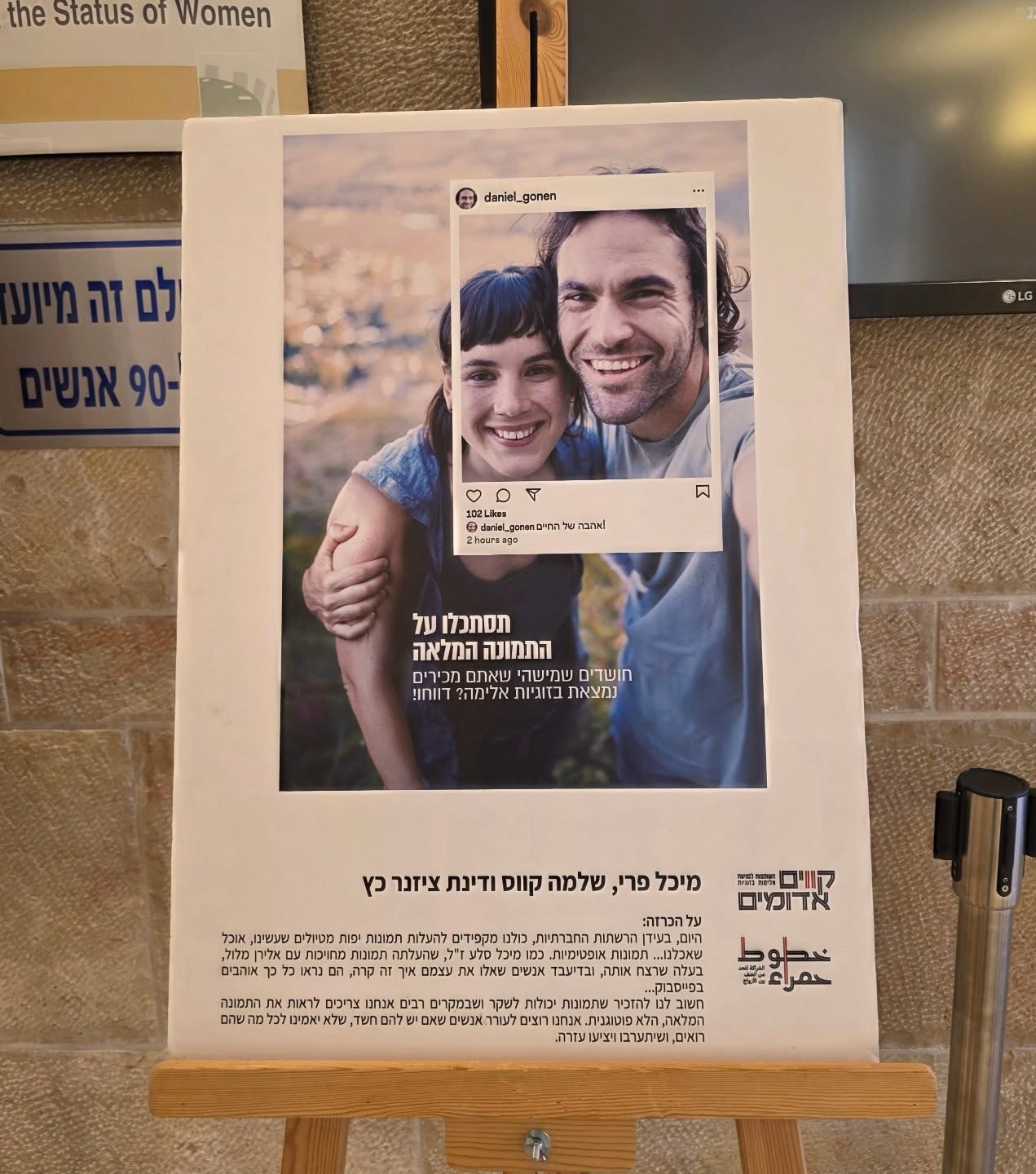
The initiative brings together partners from government, philanthropy, civil society, academia, business, media, and diverse communities around a shared prevention agenda. It advances nationwide awareness efforts that address Israeli society as a whole, while promoting greater involvement of men as active partners in reducing violence. The initiative also supports educational and community processes that equip minors with tools for respectful, non-violent relationships, and advances culturally responsive prevention efforts within Haredi and Arab communities in partnership with local leadership. Concurrently, it maps existing prevention responses, identifies gaps, and works to expand and adapt strategies that strengthen early detection and prevention.